Why MMORPGs Are Evolving: The Rise of Turn-Based Strategy Games in Online Gaming
The world of online gaming has been a vibrant tapestry of genres, with MMORPGs (Massively Multiplayer Online Role-Playing Games) leading the charge for years. But in recent times, an evolution is underway. Enter turn-based strategy games, a genre that is making significant waves in the online gaming community. What triggered this shift, and why are gamers flocking to these new battlegrounds? Let’s dive deeper into this intriguing phenomenon.
The Definition of MMORPGs and Turn-Based Strategy Games
To understand the evolution occurring in online gaming, we first need to define our core gaming categories:
- MMORPGs: These games allow players to explore fantastical worlds, complete quests, and engage with countless others in real time.
- Turn-Based Strategy Games: Unlike fast-paced MMORPGs, these games require players to take turns making strategic decisions, emphasizing tactics over speed.
A Historical Overview of MMORPGs
MMORPGs have shaped the online gaming landscape since the late 1990s, with titles like EverQuest and World of Warcraft captivating millions. Their extensive worlds and player-driven economies offered a form of escapism and community. As gaming technology advanced and player preferences evolved, MMORPGs continuously adapted to keep their audience engaged but faced mounting pressure from emerging genres.
The Emergence of Turn-Based Strategy Games

Starting from classic board games and card games, the gaming world saw a shift towards a more complex form of engagement with the arrival of turn-based mechanics. Games like XCOM and Fire Emblem showcased how players could engage in strategic thinking, plotting their next move without the frenetic pace of real-time gameplay. This strategy-focused approach allows players to think critically, often mimicking a chess-like experience.
Factors Driving the Transition
Several factors contribute to the migration from traditional MMORPGs to turn-based strategy games:
- Intellectual Engagement: Players today are seeking meaningful engagements that challenge their strategic thinking.
- Accessible Gameplay: Turn-based mechanics often mean that players can take their time, rather than feeling pressured to perform under time constraints.
- Nostalgia and Redesign: Many modern turn-based games take inspiration from classic RPGs, blending nostalgia with modern mechanics.
Battlefield ASMR: A Unique Blend

The intersection of ASMR (Autonomous Sensory Meridian Response) and gaming has brought forth the Battlefield ASMR Game. This trend utilizes soothing soundscapes and strategic turn-based mechanics to create a unique gaming experience. Imagine a game that calms you while also getting your strategic juices flowing – it’s a match made in heaven for many gamers.
RPG Typing Games: The Hybrid Phenomenon
The rise of RPG typing games is yet another aspect of this evolution. These games allow players to engage in strategic battles while improving their typing skills. This blend of education and gaming creates an innovative approach that appeals to a diverse audience, from avid gamers to those looking to enhance their typing speed.
Comparative List: MMORPGs vs. Turn-Based Strategy Games
To illustrate the fundamental differences and similarities between the two genres, consider the following table:
| Feature | MMORPGs | Turn-Based Strategy Games |
|---|---|---|
| Gameplay Pace | Real-time | Turn-based |
| Player Interaction | High | Variable |
| Strategic Depth | Variable | High |
| Access Level | Moderate | High |
Community Reaction to the Change
The transition towards turn-based strategy games is not without its controversies. Some MMORPG purists argue that this shift dilutes the essence of what multiplayer experiences should offer. Others applaud the genre for evolving to meet the diverse needs of modern players. Forum discussions are buzzing about these changes, revealing a passionate community both supporting and criticizing this evolution.
Marketing Strategies for Turn-Based Games
As turn-based strategy games gain popularity, developers need to employ effective marketing strategies:
- Targeted Advertising: Utilizing social media platforms to reach specific gamer demographics who show interest in strategy-based games.
- Community Engagement: Building forums and discussion groups that focus on strategy sharing and gameplay tips.
- Influencer Collaborations: Partnering with gaming influencers on platforms like Twitch and YouTube to showcase gameplay and reviews.
Future Outlook: What's Next?
Looking forward, it's plausible that elements of turn-based strategy will continue to intertwine with MMORPGs. Game designers might start experimenting with hybrid models that incorporate real-time elements into turn-based frameworks. What could this mean for players? More immersive experiences that leverage the best of both worlds.
Conclusion
In the ever-evolving landscape of online gaming, the rise of turn-based strategy games signifies a response to player demands for deeper intellectual engagement, greater accessibility, and nostalgic gameplay. The gaming community is in the midst of an exciting period of experimentation and innovation. As gamers continue to seek diverse experiences, it will be fascinating to see how developers respond to these trends, potentially forging new genres along the way.
Frequently Asked Questions (FAQ)
What is an MMORPG?
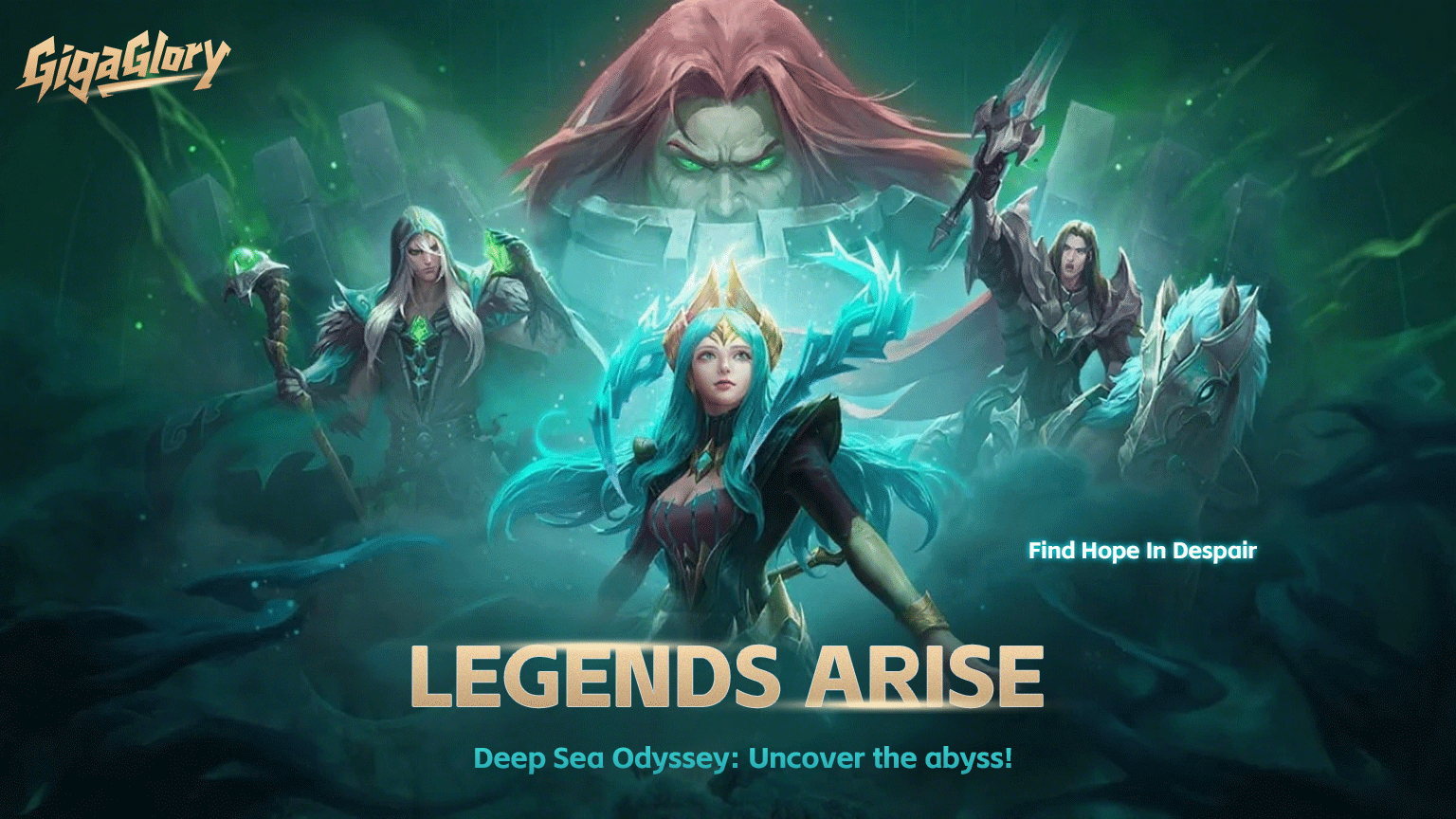
MMORPG stands for Massively Multiplayer Online Role-Playing Games, allowing many players to coexist in a virtual world, complete quests, and engage in real-time interactions.
What characterizes turn-based strategy games?
Turn-based strategy games require players to take turns making decisions, focusing on tactics and strategy rather than real-time speed.
Why are RPG typing games gaining popularity?

They combine gaming with the chance to enhance typing skills, making them educational and entertaining for a diverse user base.
How does Battlefield ASMR differ from traditional games?
Battlefield ASMR combines the stimulating strategy of turn-based mechanics with soothing soundscapes designed to invoke relaxation.