Exploring the Boundless Realms: How Open World Games Redefine Life Simulation Experiences
In the realm of gaming, the term "open world" gets thrown around a lot. But what does it really mean? And how are these vast, immersive landscapes reshaping life simulation games? Let's dive into this captivating universe that stretches the limits of imagination, challenges gameplay norms, and offers endless possibilities. From the whimsical adventures in Wii Puzzle Kingdoms to the enthralling depths of RPGs, it’s all a part of the journey that defines us. Buckle up as we explore the intricate facets of open world gaming.
Understanding Open World Games
Open world games, at their core, present players with large, interactive environments that encourage exploration. Unlike traditional games that restrict movement and limit objectives, these vast creations allow for a rich tapestry of experiences. But why are they so widely loved?
The Freedom to Explore
- Players set their own goals: Adventure at your own pace.
- Explore diverging paths: Every action contributes to a unique experience.
- Interactive environments: Nature reacts to player choices, making every decision impactful.
Life Simulation Games: A Closer Look
Life simulation games transport players into alternate realities, allowing them to live out fantasies that range from mundane everyday activities to extravagant lifestyles. By incorporating elements from open world games, life simulations have evolved into something magnificent and complex.
The Evolution of Life Simulation Games
From the days of The Sims to modern interpretations, life simulation games have changed dramatically. The introduction of open world concepts has redefined how players interact with virtual lives.
Character Customization & Personal Narratives

Went are the days of predefined avatars. Nowadays, players can craft their characters down to the finest detail— from their hairstyles to their life choices.
Benefits of Personalized Avatars
- Emotional connection: Players become more invested.
- Diverse storytelling: Every avatar fosters a unique narrative.
- Realistic interactions: Characters act based on player-defined traits.
The Role of RPGs in Open World Simulations
RPGs (Role-Playing Games) are pivotal in marrying the principles of open world gameplay with life simulation. The freedom offered in RPGs allows for deeper character development and a sprawling narrative arc.
Popular RPG Titles for PC
| Game Title | Release Year | Unique Feature |
|---|---|---|
| The Witcher 3: Wild Hunt | 2015 | Choice-driven storyline with complex characters |
| Skyrim | 2011 | Massive open world with extensive lore |
| Fallout 4 | 2015 | Rich post-apocalyptic environment and crafting system |
Wii Puzzle Kingdoms: A Case Study
This charming game draws in its players with vibrant visuals and creative puzzles. But what elevates it into the realm of life simulation? The answer lies in its blend of open-world exploration and intricate character relationships.
Key Features of Wii Puzzle Kingdoms
- Citizen engagement: Build and maintain relationships with NPCs.
- Puzzle mechanics: Engaging gameplay that keeps players invested.
- Expansive world: From colorful towns to hidden forests, there’s always more to discover!
The Social Dynamics of Open World Life Simulations

Today’s life simulation games intertwine social elements that mimic real life. Players forge friendships, form alliances, and even experience the consequences of their actions. This heightens engagement and provides a sense of realism.
Real Life vs Virtual Relationships
While virtual friendships can’t replace the physical version, they can provide significant emotional support and encouragement. Think about the last time your online buddy motivated you to complete a quest!
Building a Community Through Multiplier Experiences

Many open world games now foster multiplayer experiences, creating a living ecosystem where players interact seamlessly. The thrill of facing challenges together can lead to lifelong friendships—or fierce rivalries!
Advantages of Multiplayer in Life Simulations
- Collaborative gameplay: Tackle challenges together for a shared victory.
- Community creation: Form alliances and build communities.
- Varied experiences: Different players add dimensions to gameplay.
Environmental Interactivity and Its Importance
Open world games thrive on interactive environments. Players can manipulate their surroundings, creating an immersive space that feels alive. In life simulation, this facet becomes a reflection of real-life dynamics.
Examples of Environmental Interactivity
- Realistic weather systems: Affects gameplay and storytelling.
- Dynamic ecosystems: Wildlife reacts to player actions.
- Player impact: Decisions can alter landscapes and cultures.
Future Trends in Open World Life Simulations
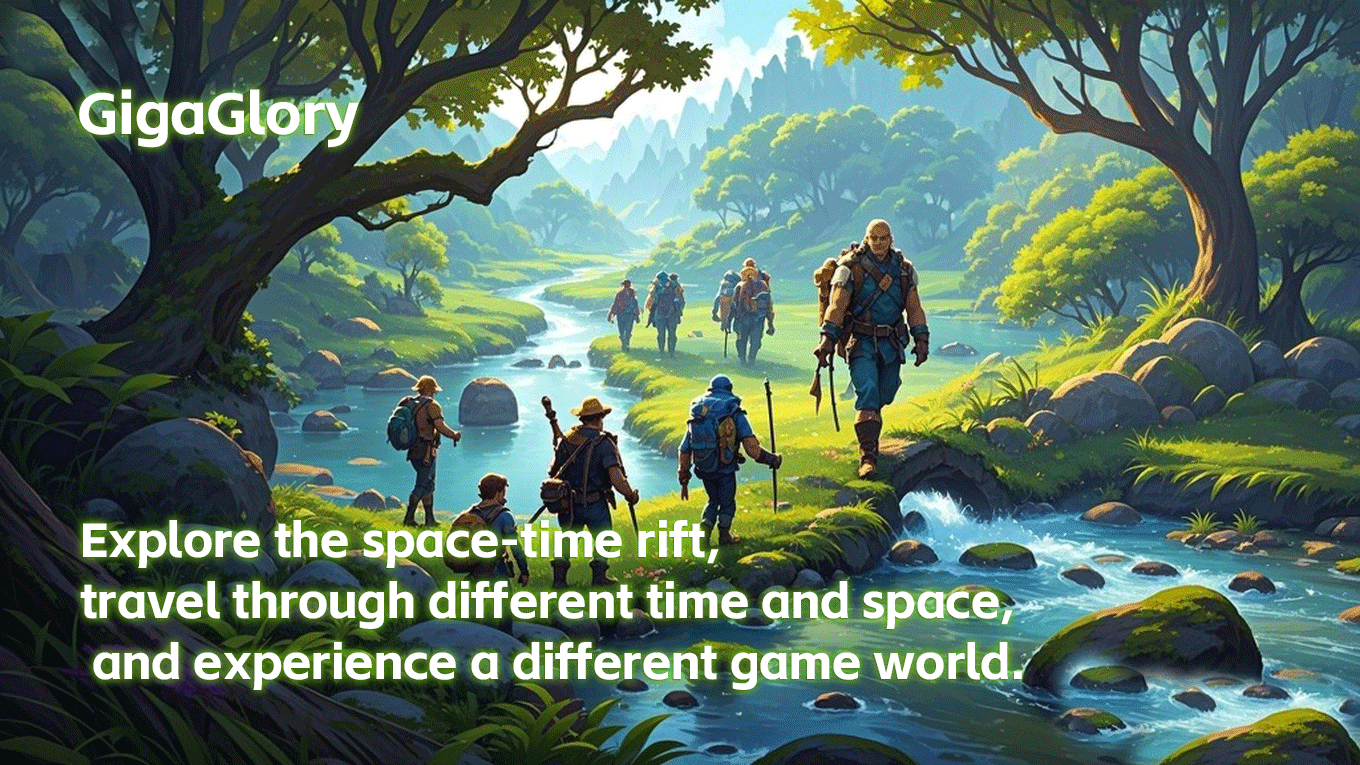
The gaming industry is constantly evolving. As technology advances, what does the future hold? Immersive technologies like virtual reality (VR) and augmented reality (AR) are paving the way for next-level experiences that could redefine life simulations.
Potential Innovations
| Innovation | Potential Impact |
|---|---|
| Virtual Reality | Unprecedented immersion and physical engagement |
| Artificial Intelligence | Smarter NPCs and more adaptive storylines |
| Cloud Gaming | Wider accessibility and cooperative play across devices |
Conclusion

Open world games have taken life simulation experiences to new realms, continuously redefining what it means to craft a life in a virtual space. By fostering personal narratives, social dynamics, and emergent gameplay, they provide an intricate tapestry that resembles our own worlds.

As immersive technology continues to advance, we’re bound to see even more innovations that expand these boundaries. Dive in— the adventure awaits!
FAQ
What defines an open world game?

An open world game is characterized by a large, explorable environment, allowing players the freedom to create their own paths and experiences.
How do life simulation games differ from traditional RPGs?

Life simulation games focus on daily activities and real-life scenarios. In contrast, traditional RPGs prioritize quests and character development, although there's overlap!
Can you recommend any fun open world games?

Absolutely! Some great titles include The Witcher 3, Skyrim, and Fallout 4. Each offers vast worlds to explore and a variety of interactions!